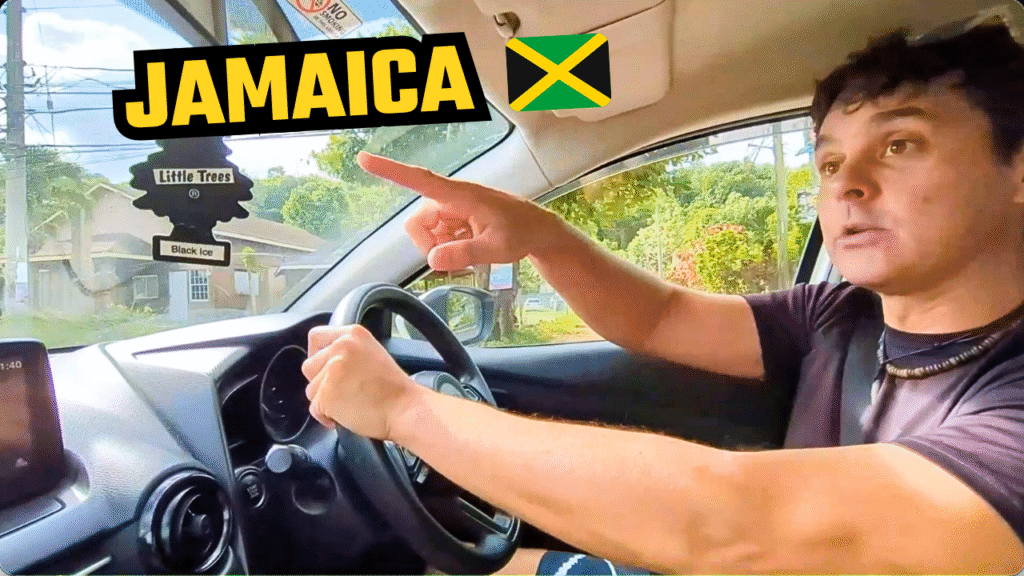
Jamaica is globally renowned for its vibrant reggae culture, lush tropical landscapes, pristine white-sand beaches, and world-class resorts. While most travelers opt for organized tour buses or private resort shuttles, embarking on a self-drive road trip offers an unparalleled sense of freedom. Being able to explore the island at your own pace—from the bustling streets of Kingston to the laid-back shores of Negril and the coastal beauty of Montego Bay—is a dream for adventurous travelers.
However, taking the wheel in a foreign country always comes with a set of unique challenges. Is driving in Jamaica safe for tourists? How do you navigate left-hand traffic, sudden potholes, toll roads, and local rental car policies?
Having driven across the entire island—from the smooth northern highways to the rugged roads of the south—I experienced the thrill, the perrengues, and the unexpected surprises firsthand. Here is the ultimate, honest, and comprehensive guide to renting a car and driving in Jamaica safely, packed with practical tips to ensure your island road trip goes smoothly.
Or watch my full adventure on Youtube:
1. Left-Hand Driving and Navigating Jamaican Traffic
The very first thing you need to adjust to when renting a car in Jamaica is that driving takes place on the left side of the road, a legacy of the island’s British colonial history.
If you are coming from North America, Brazil, or Continental Europe, this requires a short adjustment period. Luckily, the vast majority of rental cars in Jamaica come with automatic transmissions. Not having to manually shift gears with your left hand makes the transition infinitely easier, allowing you to keep your full focus on the road.
Pro-Tips for Left-Side Driving:
- The Indicator/Wiper Mix-Up: Be prepared to accidentally turn on your windshield wipers instead of your turn signal! Controls are reversed on left-hand drive vehicles, so your right hand operates the blinker.
- Use the Passenger Angle: If you are traveling with a partner, ask them to be your extra pair of eyes. Having someone periodically remind you to “stay left” when exiting gas stations or turning at intersections is a life-saver.
- City vs. Rural Driving: Driving inside major urban centers like Kingston or Montego Bay can be fast-paced and slightly aggressive. Local drivers will cut you off if you hesitate, so a healthy mix of defensive and confident driving is necessary.
2. Road Conditions and Infrastructure Across the Island
Road quality in Jamaica varies drastically depending on the region you are exploring. Understanding where the roads are well-maintained and where they deteriorate will help you plan your itinerary smartly.
The Northern Coast (Montego Bay to Ocho Rios)
The infrastructure along the northern coast is excellent. Because this region receives the heaviest concentration of cruise ship passengers and resort tourists, the highways are paved, smooth, and easy to navigate. Driving between Montego Bay and Ocho Rios is a breeze.
The Highway to Kingston and Toll Roads
If you are traveling from Ocho Rios down to Kingston, you will likely take the modern express highway. This route is exceptionally smooth and fast, with a speed limit of up to 110 km/h. However, it comes at a cost.
Jamaica’s main highway tolls calculate price based on distance traveled, and they can be surprisingly expensive—costing up to $15 USD for a 50-minute drive. While some toll plazas accept credit cards, others experience system outages or only take cash. Always keep local Jamaican Dollars (JMD) or US Cash in your glove compartment just in case.
The Southern Region and Deep Interior (Kingston to Negril via the South)
Unlike the north, the southern coast and rural interior routes are far more rugged. This region bears the brunt of tropical storms and hurricanes, resulting in narrow roads, lack of street lighting, and massive, deep potholes. You will constantly find yourself swerving gently to avoid rim-damaging craters, while local drivers and overloaded trucks do the exact same from the opposite direction.
3. Essential Safety Rules: Avoid Night Driving!
When it comes to safety, Jamaica is generally welcoming and tourism-oriented. Police checkpoints are frequent throughout the island. As long as you remain polite and show your documents or rental agreement, officers will usually wave tourists through without any hassle.
However, there is one golden safety rule every tourist must follow:
NEVER DRIVE AT NIGHT IN JAMAICA.
Driving after dark poses severe safety and logistical risks:
- Pitch-Black Conditions: Outside of major city centers, rural highways have virtually no streetlights.
- Invisible Hazards: Potholes, pedestrians, stray animals, and unlit vehicles become completely invisible until you are right on top of them.
- Getting Stranded: Pop a tire or suffer a mechanical breakdown in an unfamiliar, unlit rural area at night, and you place yourself in a vulnerable situation.
Plan your daily itinerary so that you arrive at your destination before sunset.
4. Street Hustlers and Windshield Washers in Big Cities
When stopping at red lights in major urban areas like Kingston, you will likely encounter street hustlers who immediately jump to clean your windshield with squeegees.
In many cases, they will start spraying and wiping your glass even if you wave your hands and say “no.” They expect a cash tip afterward. If this happens, remain calm and polite. Simply roll your window down slightly and explain firmly that you are in a rental car and do not carry cash change. Avoid getting aggressive or confrontational.
5. Navigating GPS Maps and Avoiding Wrong Turns
Relying blindly on GPS apps like Google Maps or Waze can sometimes lead you down questionable paths. In Jamaica, map algorithms frequently attempt to route drivers through shorter, “shortcut” backroads that end up being unpaved, extremely rough, or leading toward isolated areas.
- Double-Check Your Route: Before setting off, review the suggested route map. Stick to major A-roads and primary highways rather than unverified shortcuts.
- Search for Landmarks: When navigating to attractions—such as coastal viewpoints or lighthouses—search specifically for the official landmark or visitor entrance rather than generic geographical coordinates.
6. The Truth About Renting a Car in Jamaica: Costs and Hidden Fees
Renting a car in Jamaica requires strategic planning to avoid unexpected rental counter fees. Here are crucial tips to save money and protect your budget:
Book Well in Advance Online
Never attempt to rent a car walk-in style at the airport without a prior reservation. Walk-in rates can easily skyrocket to $200–$300 USD per day. By using online comparison platforms (such as Rentalcars.com, Expedia, or DiscoverCars) a few weeks prior, you can secure rates as low as $35–$50 USD per day.
Watch Out for Liability Insurance Claims
Certain discount rental franchises in Jamaica enforce strict liability rules. When you arrive at the counter, they may insist that you pay an additional $11–$15 USD per day for local liability insurance unless you provide an official, written letter from your credit card company stating that your credit card insurance explicitly covers rental vehicles in Jamaica. Obtaining this letter on short notice at an airport terminal is nearly impossible. If you want to use your credit card’s coverage, request this official document from your bank before leaving home.
Empty Tank Policies
Unlike many Western destinations where you pick up a car with a full tank and return it full, many Jamaican agencies hand over the vehicle with a completely empty fuel tank. This forces you to immediately hunt for a gas station after leaving the rental lot. Try not to overfill the tank near the end of your trip, as you will not receive a refund for returning the car with leftover fuel!
Quick Summary Checklist for Driving in Jamaica
- Driving Side: Left side of the road.
- Transmission: Automatic (recommended for easier maneuvering).
- Speed Limits: Generally 50 km/h in urban areas, 80 km/h on open roads, and up to 110 km/h on modern toll highways.
- Currency for Tolls & Gas: Keep a blend of credit cards and Jamaican Cash (JMD).
- Navigation App: Google Maps (stay on main highways; avoid rural shortcuts).
- Emergency Advice: Do not drive at night; watch out for potholes; inspect your rental car tires before leaving the lot.
Final Verdict: Is It Worth Renting a Car in Jamaica?
If your dream vacation consists purely of staying inside an all-inclusive resort in Montego Bay or Negril, hiring an airport transfer is your easiest option.
However, if you are an independent traveler eager to experience the authentic pulse of Jamaica—stopping at roadside jerk chicken stands, visiting the Bob Marley Museum in Kingston, exploring historic lighthouses, and discovering secluded public beaches—renting a car is absolutely worth it.
By driving defensively, avoiding night travel, staying on major paved roads, and reading the fine print on your rental agreement, driving in Jamaica can be a safe, rewarding, and unforgettable tropical road trip adventure.