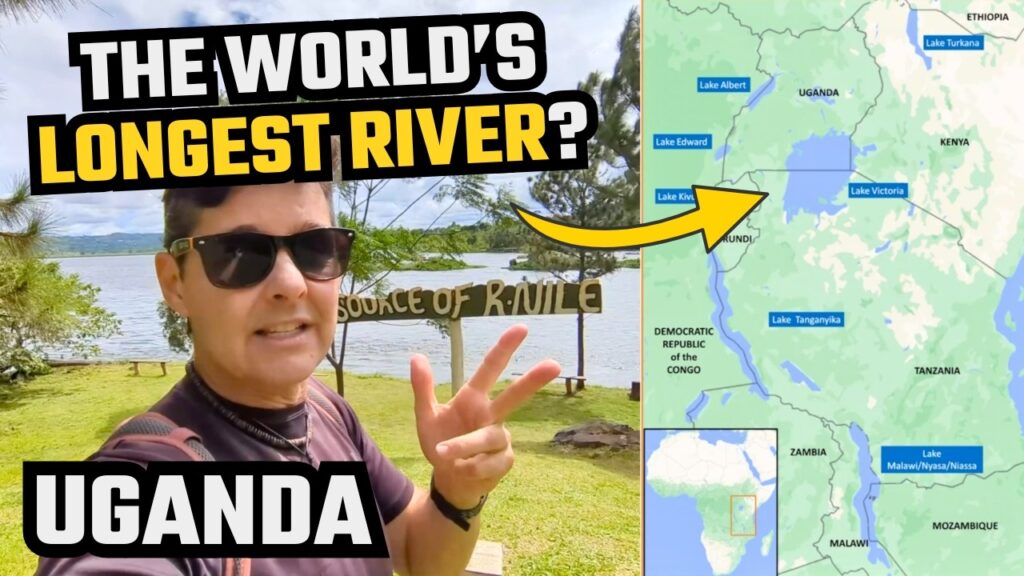
Standing before one of the most legendary spots on the planet is one of those experiences that gives you goosebumps and transforms any traveler. When I planned my journey through East Africa, there was one destination that could not be left off my itinerary under any circumstances: the historic source of the Nile River, located in the bucolic town of Jinja, Uganda.
If you have always associated the Nile River exclusively with the temples and pyramids of Egypt, get ready to expand your perspective. The longest river in the world begins its monumental journey right in the heart of the African continent, fed by the majestic waters of Lake Victoria. In this article, I will share in detail what it was like to explore this unique place, how to get there on a budget, fascinating facts about the region, and, of course, how to taste the authentic “Rolex”—Uganda’s most famous street food that you simply must try!
Or watch my full video:
The Magic of Lake Victoria and the Birth of the African Giant
The journey to find the source of the Nile begins on the shores of Lake Victoria, the second-largest freshwater lake in the world by surface area, whose waters are shared among Uganda, Tanzania, and Kenya. It was precisely in the Jinja region that 19th-century science and Western exploration mapped the point where the lake finally drains and gives rise to the Victoria Nile River.
While peacefully cruising the clear waters of the area, the local guide revealed an impressive fact: a single drop of water leaving the source in Jinja takes about three full months to travel more than 6,600 kilometers (4,100 miles), traversing Uganda, South Sudan, Sudan, and Egypt until it finally empties into the Mediterranean Sea. It is a true journey through time and geography!
Nile vs. Amazon: A Traveler’s Curiosity
Coming from Brazil, it is impossible not to make a mental comparison with our own natural riches. While the Nile River historically holds the title of the longest river on the planet, the Amazon River reigns supreme as the largest river in the world by water volume. Standing at the source of the Nile made me reflect on the gigantic force that nature possesses and how these great rivers have shaped entire civilizations over millennia.
Discovering Jinja: Uganda’s Adventure Capital
Jinja is located approximately a two-hour drive from Kampala, the bustling and chaotic capital of Uganda. While Kampala is defined by the fast pace of boda-bodas (motorcycle taxis) and heavy traffic, Jinja emerges as a true oasis of tranquility and leisure.
The town has a relaxed, weekend-getaway atmosphere, making it a favorite destination for locals and expats looking to escape urban stress. Historically known for its former rapids and waterfalls—such as the famous Ripon Falls—the landscape of the source changed drastically in 1954 with the construction of the Owen Falls Dam. The dam impounded the waters, raised the river level, and submerged the original rapids, but the awe-inspiring presence of the site remained intact.
Today, Jinja is internationally acclaimed as the adventure capital of East Africa, offering activities such as world-class white-water rafting, kayaking, bungee jumping, and quad biking. However, if your goal is a more contemplative outing—just as mine was—a traditional boat ride to the exact spot of the source is the perfect choice.
The Boat Ride and Surprises Along the Way
To reach the exact point where Lake Victoria officially turns into the Nile River, the most authentic way is to board one of the small motorboats operated by local community guides. The trip is extremely calm, surrounded by lush vegetation and an extraordinarily rich birdlife. Vibrant tropical birds cross the sky at every moment, making the route a paradise for photography and birdwatching enthusiasts.
During our navigation, we had the opportunity to observe local fishermen hard at work. In a memorable moment of the tour, I watched them pull a giant Tilapia right out of the lake’s waters. Tilapia is one of the most traditional fish in Ugandan cuisine, served fresh in riverside restaurants, either fried or grilled with flavor-packed local spices.
The Perfect Combination: A Nile Special Beer at the Source
If there is a tradition every traveler should honor when visiting this location, it is sipping a ice-cold Nile Special beer while cruising the river’s waters. Brewed right in the town of Jinja using water sourced from the Nile itself, this full-bodied, award-winning lager is the perfect match for taking in the spectacular scenery and celebrating the privilege of being at one of the most iconic points on Earth.
The Culinary Experience: Tasting Uganda’s Famous “Rolex”
No trip to Uganda would be complete without diving into its authentic street food culture. And when it comes to street food in Uganda, there is one undisputed king: the legendary Rolex.
In 2016, CNN highlighted the Rolex as the fastest-growing street food in Africa, and it is not hard to see why. Unlike the luxury Swiss watch that shares its name, the Ugandan Rolex is an extremely popular, delicious, and super affordable delicacy suitable for any budget.
What Is an African Rolex Made Of?
The name “Rolex” comes from the local pronunciation of the English phrase “Rolled Eggs”. The traditional recipe combines three basic ingredients:
- Chapati: An Indian-style flatbread that is soft and slightly flaky.
- Eggs: A freshly fried omelet, usually seasoned with salt and pepper.
- Vegetables: Finely shredded cabbage, fresh tomatoes, and onions.
For those looking for an even richer experience, there is the Special Rolex, which includes strips of seasoned, juicy meat. The preparation is quick and artisanal: the omelet is fried on a hot griddle, the vegetables and meat are added, everything is topped with warm chapati, and then expertly rolled up like a big burrito.
Tasting a warm Rolex while watching the sunset reflect off the calm waters of Lake Victoria was, without a doubt, one of the highlights of my time in Jinja. It is the kind of simple, comforting food packed with cultural identity that defines the true essence of backpacker-style travel.
Sunset on the Nile River: An Unforgettable Farewell
As late afternoon approached, the sky over the Nile River painted itself in shades of gold, orange, and violet. There are options for every traveler style to enjoy this moment: from structured restaurant decks for those who prefer comfort, to small fishermen’s shacks where you can sit right near the water and simply contemplate nature’s spectacle.
Watching the sun set over the horizon, knowing that those very same waters washing past my feet were embarking on an epic journey across the Sahara Desert all the way to Egypt, brought a deep sense of gratitude and connection with the planet.
Practical Tips for Planning Your Trip to Jinja, Uganda
If you are excited to include Jinja and the source of the Nile in your next East African itinerary, I have gathered the best practical advice here to help with your planning:
1. How to Get to Jinja from Kampala
- By Matatu (Shared Minibus): This is the most budget-friendly and authentic option. Minibuses depart frequently from the main taxi park in central Kampala heading to Jinja. The trip takes about 2 to 3 hours, depending on traffic.
- By Private Taxi / Uber: Ideal if you are looking for comfort and speed, or if you are traveling in a group to split costs.
- Organized Tours: Several agencies in Kampala offer one-day day trips to Jinja, including round-trip transportation, a boat tour, and lunch.
2. Best Time to Visit
Uganda can be visited year-round thanks to its pleasant tropical climate. However, the dry season months (December to February and June to September) are the most recommended for outdoor activities, boat tours, and river adventures.
3. Health Requirements and Documentation
- Visa: Most travelers need to apply for an Ugandan e-Visa in advance through the official immigration portal.
- Yellow Fever: The international certificate of vaccination against Yellow Fever is mandatory to enter the country.
- Malaria: The African Great Lakes region carries a risk for malaria. It is essential to consult a travel clinic prior to your trip for prophylaxis guidance, as well as using insect repellent and wearing long sleeves at dusk.
4. What to Pack in Your Daypack
- Sunscreen and sunglasses.
- Effective insect repellent.
- Camera or smartphone with good battery life.
- Lightweight, quick-drying clothing (if you plan on boat rides or rafting).
- A light jacket for late afternoon by the lake.
Conclusion: Why Should You Experience the Source of the Nile?
Stepping out of your comfort zone and exploring places off the conventional tourist trail is what makes travel so rewarding. Visiting the source of the Nile River in Jinja is not just ticking a famous item off your travel bucket list; it is an opportunity to connect with Africa’s rich history, savor authentic local foods like the Rolex, and experience the warm hospitality of the Ugandan people.
If you are planning a trip to East Africa, give yourself the gift of spending at least two or three days in Jinja. You will surely return home with incredible stories to tell!